Essential Nutrients for Weight Loss
To lose weight, burn fat, and maintain a healthy weight, proper nutrition is essential. And to eat well, having a good understanding of key nutrients can make all the difference.
Protein
Proteins are essential for the proper development and maintenance of body tissues. They also play a key role in building and preserving muscles, blood, skin, hair, nails, and internal organs, including the heart and brain.
During digestion, proteins are broken down into simple units called amino acids. These amino acids enter a reserve in the body, where they are stored alongside amino acids from previous meals. Your body then draws from this reserve 24 hours a day whenever new proteins are needed for tissue growth, maintenance, or repair.
During a weight loss program, protein helps support healthy and effective weight loss by protecting lean muscle mass. While dieting, your protein needs may increase significantly — sometimes up to double — to help preserve muscle and maintain a healthy metabolism.
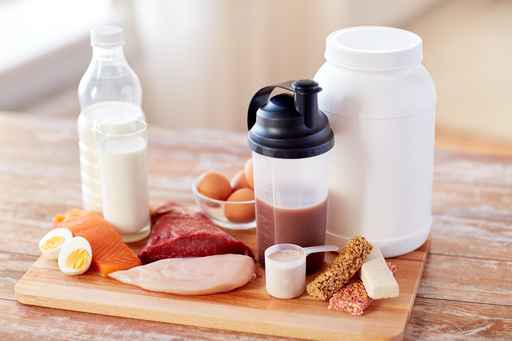
Protein can be found in lean meats (such as poultry), fish (such as tuna), legumes (beans, chickpeas, lentils), nuts (such as walnuts), seeds (sunflower, sesame, pumpkin, etc.), egg whites, and protein supplements, which are often more concentrated sources.
Nutrition claims on food products are regulated by strict guidelines. Governments have established standards regarding their use, and products must meet specific requirements to be labeled as a “source of” a nutrient or “low in” a particular nutrient.
However, it is important to look beyond marketing claims and carefully review the nutrition facts and ingredient list.
For more information, visit Health Canada.

Nos produits
-
Coaching (3)
-
Meal replacement (2)
-
On Sale! (2)
-
Protein Bars (13)
-
Protein bites (4)
-
Protein Chips (8)
-
Protein Drinks (11)
-
Protein Hot drinks (3)
-
Protein Meals and Soups (8)
-
Protein Morning cereals and pancakes (9)
-
Protein Oatmeal (2)
-
Protein Wafers (5)
-
Salty Snacks (4)
-
Supplements (1)
-
Sweet snacks (4)
Carbohydrate
Carbohydrates provide the body with energy.
They are natural or artificial substances found in foods. Carbohydrates are generally divided into two categories: complex carbohydrates, which are slower to digest and provide longer-lasting energy (such as starches from plant-based foods and fiber, which is not absorbed by the human body), and simple carbohydrates, which are absorbed more quickly (such as fructose found in fruit, lactose in milk, sucrose from refined sugar, as well as foods like white bread, white rice, and refined pasta).
When consumed in excess, refined sugars may contribute to health concerns such as blood sugar imbalances and an increased risk of metabolic issues. Excess sugar that the body does not use for energy can be stored as fat.
Fat
There are two types of fat: body fat and dietary fat.
Body fat helps protect and support vital organs such as the kidneys, heart, and liver. It also helps regulate body temperature by providing insulation.
Dietary fat is the fat we consume through food. It is generally divided into three categories:
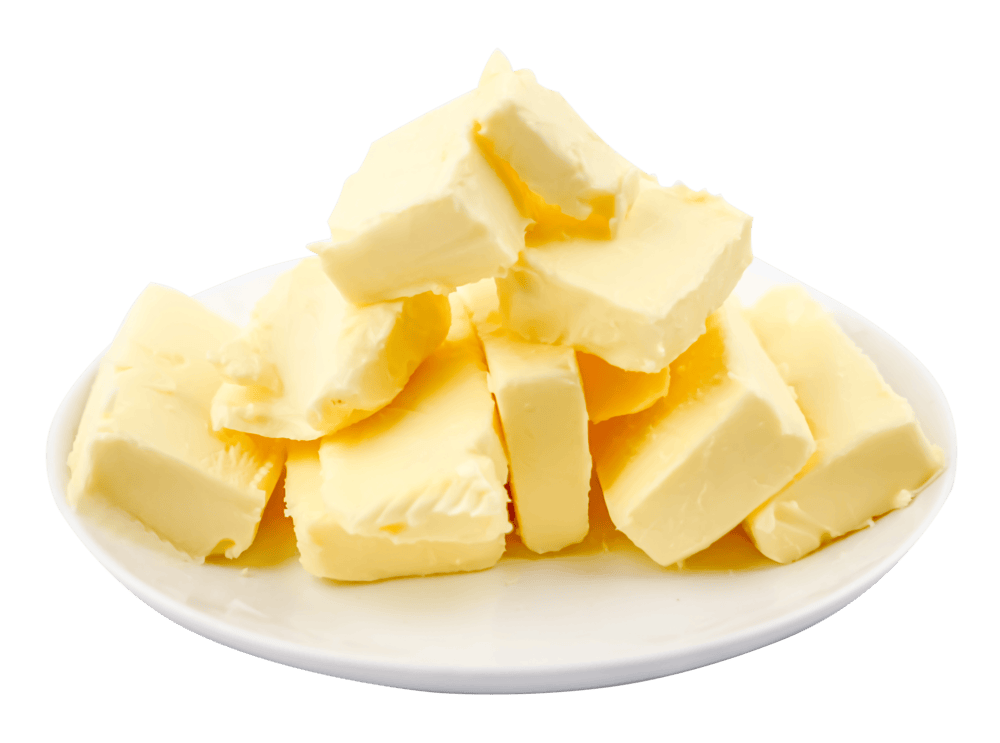
a) Saturated and trans fats — found primarily in animal-based foods such as fatty meats (beef, veal, lamb, pork) and full-fat dairy products including whole milk, cream, and cheese.
b) Polyunsaturated fats — found mainly in plant-based sources, including oils such as corn, soybean, and sunflower oil.
c) Monounsaturated fats — commonly found in legumes, olive oil, peanut oil, and canola oil.
Excessive fat intake has been associated with an increased risk of obesity, high blood pressure, cardiovascular disease, and certain health conditions. When dietary fat is not used for energy, it can be stored as body fat — just like excess carbohydrates or protein.
Water
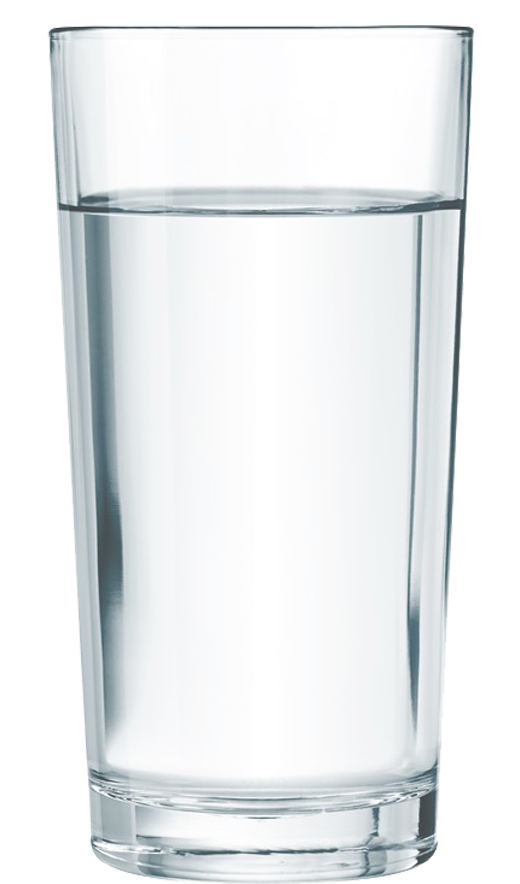
Water is the most important element we consume. You can survive much longer without food than without water. Approximately 70% of our body weight is made up of water.
Water is essential for digestion, nutrient absorption, circulation, and waste elimination. By drinking enough water each day (at least 8 glasses daily), you help support your body’s overall health and proper functioning.