Understanding Nutrition Labels
When trying to lose weight, it’s important to understand food labels.
Do You Read Ingredient Lists and Nutrition Facts?
Whether you are following a traditional weight loss program or using GLP-1 medications, choosing high-protein, nutrient-dense foods can help reduce hunger, preserve muscle mass, and support long-term success in a GLP-1–friendly way.
Nos produits
-
Coaching (3)
-
Meal replacement (2)
-
On Sale! (2)
-
Protein Bars (13)
-
Protein bites (4)
-
Protein Chips (8)
-
Protein Drinks (11)
-
Protein Hot drinks (3)
-
Protein Meals and Soups (8)
-
Protein Morning cereals and pancakes (9)
-
Protein Oatmeal (2)
-
Protein Wafers (5)
-
Salty Snacks (4)
-
Supplements (1)
-
Sweet snacks (4)
Nutrition labeling includes 3 key components:
Our protein foods
Motivation offers a wide range of ready-to-enjoy high-protein supplements and foods, including:
• Soups, creamy soups, and broths
• Hot and cold beverages
• Cakes and muffins
• Protein bars
• Puddings and desserts
• Omelettes
• Oatmeal and breakfast cereals
Our premium high-protein products are designed to help reduce hunger, support weight loss, preserve muscle mass, and make healthy eating easier — with or without GLP-1 medications.
Nutrition Facts
Nutrition and health claims are used to highlight a specific nutritional benefit of a food product.
You will often see them displayed in large or bold text on product packaging, with claims such as “high in protein,” “low sugar,” “source of fiber,” or “low fat.”
These claims are strictly regulated and must be truthful. Government regulations establish specific criteria that products must meet before manufacturers can claim a product is a “source of” a nutrient or has a low content of a specific nutrient.
However, it is important to pay attention to what these claims do not say. A product promoted for one nutritional benefit may still contain ingredients or nutrients that do not align with your health or weight loss goals. That’s why it’s always recommended to review the Nutrition Facts table and ingredient list before making a choice.
For more information, please visit the Health Canada website .
Understanding food labels can help you make smarter, GLP-1–friendly choices that support weight loss, muscle preservation, and long-term success.

Nutrition Facts Table
This table provides detailed nutritional information about a product per serving. It is an essential tool for tracking calories, reducing fat and sodium intake, increasing fiber consumption, and making smarter food choices to support weight loss and overall health.
Whether you are following a traditional weight loss plan or using GLP-1 medications, understanding the Nutrition Facts Table can help you better manage hunger, optimize protein intake, preserve muscle mass, and make more informed, GLP-1–friendly food choices.
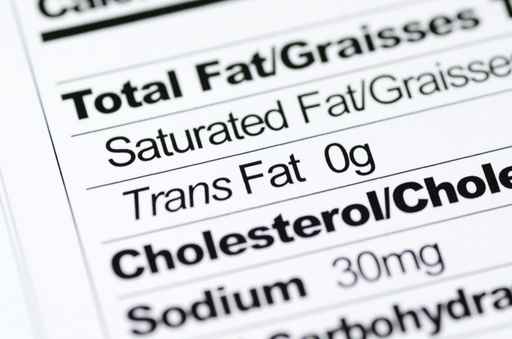
Several key factors can provide valuable information and help guide healthier food choices.
Serving Size
The serving size listed on the package may not match the portion you actually eat. Serving sizes can vary between brands, so it’s important to consider this when comparing products.
Calories (Energy Intake)
This indicates the number of calories per serving and may also be expressed in kilojoules. Understanding calorie intake can help you better manage your weight loss goals.
Fat (Lipids)
This shows the total amount of fat per serving. While different types of fat are often listed, the total fat content in grams is one of the most useful pieces of information.
Keep in mind that fat contains 9 calories per gram. Multiply the total grams of fat by 9 to determine how many calories come from fat, then compare it to the total calorie count.
Cholesterol
Cholesterol is a fat-like substance essential for life and plays an important role in the formation of cells and hormones. However, high levels in the blood or artery walls may increase health risks.
Sodium
Sodium gives you an idea of how much salt is present in a food. A general recommendation is to stay around 3 g (3000 mg) of sodium per day, or approximately 1000 mg per meal. Monitoring sodium intake can help support overall health and reduce bloating.
Carbohydrates
Carbohydrates include sugars, starches, and fiber. When only the total carbohydrate amount is listed, it can be difficult to know how much sugar a product contains. Check the ingredient list order and use taste as an indicator of sweetness.
Remember: sugar contains 4 calories per gram. Multiply the grams of sugar by 4 to determine how many calories come from sugar.
For healthier eating and weight management, try to limit refined sugars and choose foods that are as minimally processed as possible.
Eat more:
• Fruits and vegetables
• Whole grains
• Legumes and fiber-rich foods
Drink plenty of water, especially when increasing fiber intake, to support digestion and overall wellness.
If you are following a structured weight loss plan or using GLP-1 medications, prioritize nutrient-dense, high-protein foods to support satiety and preserve muscle mass.
Protein
Protein shows the total amount of protein per serving and is especially important when choosing meals, snacks, or foods from the meat and alternatives group.
Remember: protein contains 4 calories per gram. Multiply the grams of protein by 4 to determine how many calories come from protein.
A higher-protein diet can help reduce hunger, preserve muscle mass during weight loss, and support better results — especially for individuals using GLP-1 medications.
Vitamins & Minerals
Certain vitamins, including Vitamin C, Vitamin E, and beta-carotene, may help support overall health and act as antioxidants, helping to neutralize free radicals in the body.
Vitamins and minerals play essential roles in maintaining overall health, energy, immunity, and proper body function.
Ingredients list
The ingredient list tells you what a food product is made of. The longer the list, the more processed or refined the food may be. Ingredients are always listed in descending order by weight, meaning the first ingredients on the list are present in the largest amounts.
When possible, choose products with a shorter ingredient list, as this may indicate a less processed food that is often richer in nutrients and made with simpler ingredients.
Pay close attention to the first few ingredients, especially if you are trying to lose weight or follow a GLP-1–friendly lifestyle. Prioritize foods with high-quality proteins, fiber, and wholesome ingredients, while limiting products high in added sugars, refined starches, or highly processed ingredients.
Use the Nutrition Facts label and ingredient list together to better understand what’s in your food and make smarter choices that support your weight loss and health goals.