The truth about diets
Regarding nutrition, weight loss or health, not a week goes by
without a piece of information or ad contradicting the previous assertion.
So who is telling the truth?
So, who’s telling the truth?
Weight loss is not a matter of miracles.
As more and more people become aware of the importance of healthy eating to stay slim and in good health, scammers of all kinds are taking full advantage by promoting miracle products, miracle foods, or miracle methods. Money is the driving force behind the battle, and it seems to justify every lie. In fact, the bigger the lie, the more likely people are to believe it. Many individuals who struggle with excess weight or fragile health genuinely want to improve their situation, which makes them more vulnerable to misleading methods.
Diets, health, weight loss: contradictory messages.
Even more unsettling are the often contradictory messages coming from scientists, doctors, and health professionals. Each one claims to have found the foolproof solution. In reality, the “official” message from those who present themselves as authorities in the field keeps shifting and changing rapidly. For example, not long ago, people were encouraged to eat margarine to prevent cardiovascular disease and to avoid butter and other fats. We now know that hydrogenated margarine is just as harmful—if not more harmful—than butter.
The same is true for carbohydrates. For the past decade, experts have been recommending increasing carbohydrate intake while reducing fats, yet obesity has skyrocketed to epidemic levels. We have always opposed these recommendations. Today, it is clear that carbohydrate consumption must be regulated, especially refined carbohydrates.
So, who’s actually telling the truth.”
Well, you’re free to believe whoever you choose.
Our products
-
Best Sellers (5)
-
Bundles (5)
-

Coaching (3)
-
GLP-1 Compatible (9)
-
Meal replacement (2)
-

Motivation plan (1)
-
On Sale! (1)
-
Protein Bars (13)
-

Protein bites (4)
-

Protein Chips (8)
-

Protein Drinks (11)
-

Protein Hot drinks (3)
-

Protein Meals and Soups (8)
-
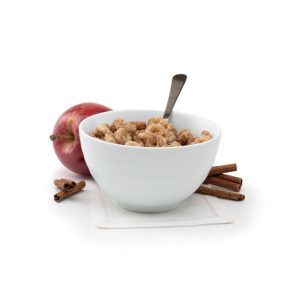
Protein Morning cereals and pancakes (10)
-

Protein Oatmeal (2)
-

Protein Wafers (5)
-

Salty Snacks (5)
-

Supplements (1)
-

Sweet snacks (5)

Our weight‑loss program is grounded in scientific principles validated around the world.
Our program is the result of more than 40 years of experience in nutrition and weight management.
It is based on the latest scientific discoveries conducted by the world’s leading experts in the field.
Dr. Maurice Larocque, who created the Motivation Minceur weight‑loss program, is a physician internationally recognized for his expertise and research in behavior change, weight reduction, and motivation.
Mental Weight: A Unique Tool for Successful Weight Loss
A unique concept created by Dr. Maurice Larocque, the Mental WeightMD questionnaire—administered online and taking about 25 minutes—measures what is happening in your mind in relation to your weight problem.
It represents the weight a person might reach if, every time they felt like eating, they gave in to their bad habits without using any willpower.
It reflects the mental processes that drive a person to eat.
Mental WeightMD is measured using five main factors that may be responsible for a person’s weight problem:
By repeating the exercise every month, you can “re‑weigh” your mind and track the evolution of your behavior just as a scale tracks changes in body weight.
This allows us to suggest one or two specific habits for you to adopt over the coming month, based on your personal profile. It also enables us to provide motivational tools to help you reach your weight‑loss goal.
The ultimate objective is to lower your mental weight to the level of your desired body weight so that you can maintain your weight easily, without constantly having to fight against your willpower.
Lose weight, you need to change the way you think.
The accumulation of fat cells under the skin reflects a dysfunction—an imbalance, whether physical or psychological.
And this is true for everyone who carries excess weight.
Many people believe their heredity or their glands are to blame, but when we push the analysis further, we can clearly and easily identify the real causes of their weight problem. These causes stem from poor lifestyle habits, unhealthy eating patterns, and an unhelpful attitude toward food. Our habits are automatic, unconscious behaviors acquired through repeated actions. A habit is good or bad depending on its impact on a person’s health.
Empirically, we can observe that most habits can be formed or extinguished within 4 to 21 days.
Ultimately, we can say that our tastes, thoughts, and emotions can also be considered habits—that is, they are the result of conditioning. They can be acquired and just as easily disappear. Repetition—or the absence of repetition—is the key factor.
Mental Weight: a unique tool for weight loss.
Before anything else, we must identify the cause of your bad habits, because it is by determining the cause that we can find solutions to help you lose weight. It is better not to start a diet if you are not ready to address the underlying causes of the habits that prevent you from losing weight.
Stack the odds in your favor.
Accept the idea of analyzing your behavior and working on yourself.
Use the right tools: books, audio programs, personal‑growth courses, or therapy.
With the Mental Weight questionnaire, we will suggest specific habits for you to adopt based on your personal criteria.
It’s much easier than you think. Move closer to your ultimate goal: being slim, but above all, feeling good in your own skin.