Protein & Weight Loss: The Complete Guide for Canadians
Protein is the most important nutrient for losing weight in a healthy way, preserving your muscles and controlling your hunger. Yet most Canadians don’t consume enough of it — especially during a weight loss journey. This complete guide explains why protein is essential, how much you need, and how to easily incorporate it into your diet.
Why Protein Is Essential for Weight Loss
Protein plays a unique role in weight loss that carbohydrates and fats simply cannot fulfill:
- Superior satiety effect: Protein keeps you fuller longer than carbs or fat, naturally reducing your total calorie intake.
- High thermic effect: Your body burns 20 to 30% of protein calories during digestion — compared to only 5 to 10% for carbohydrates.
- Muscle preservation: Without adequate protein, you lose as much muscle as fat when dieting.
- Blood sugar stabilization: Protein slows carbohydrate absorption, preventing energy spikes and crashes.
- Long-term weight maintenance: A high protein intake makes it easier to maintain your new weight.
How Much Protein Do You Need?
Canada’s official recommendations (0.8 g/kg) are designed to prevent deficiencies — not to optimize health or weight loss. For most active adults looking to lose weight, here are the research-backed targets:
| Goal | Recommended Intake | Example (70 kg) |
|---|---|---|
| Weight maintenance | 0.8–1.0 g/kg | 56–70 g/day |
| Weight loss | 1.2–1.6 g/kg | 84–112 g/day |
| Weight loss + muscle building | 1.6–2.2 g/kg | 112–154 g/day |
| GLP-1 treatment (Ozempic) | 1.4–1.8 g/kg | 98–126 g/day |
The Best Protein Sources
Complete Animal Sources
- Chicken and turkey (skinless): ~30 g of protein per 100 g
- Canned tuna: ~25 g per 100 g
- Salmon: ~25 g per 100 g + omega-3s
- Eggs: ~6 g per egg
- 1% cottage cheese: ~11 g per 100 g
- Plain Greek yogurt: ~10 g per 100 g
Plant-Based Sources
- Firm tofu: ~17 g per 100 g
- Cooked lentils: ~9 g per 100 g
- Chickpeas: ~9 g per 100 g
- Edamame: ~11 g per 100 g
- Tempeh: ~19 g per 100 g
Convenient Protein Supplements
- Protein powders (whey, casein, plant-based): 20–30 g per serving
- Protein bars: 15–25 g per bar
- Meal replacements: 20–30 g per serving + vitamins and minerals
When to Consume Your Protein
How you distribute protein throughout the day is just as important as the total amount. Research shows that consuming 25 to 40 g of protein per meal maximizes muscle synthesis.
Recommended Timing
- Breakfast: Start with protein — eggs, cottage cheese, protein smoothie
- Before exercise: Light protein snack 1–2 hours beforehand
- After exercise: 25–40 g of protein within 30–60 minutes
- Before sleep: Casein or Greek yogurt for overnight recovery
Protein and Hunger Control
Protein acts directly on your hunger hormones. It increases GLP-1 (the same hormone mimicked by Ozempic) and peptide YY, while reducing ghrelin — the hormone that triggers hunger. In practice, a protein-rich breakfast significantly reduces afternoon cravings.
Does Protein Make You Gain Weight?
This is one of the most persistent myths in nutrition. No, protein does not make you gain weight — quite the opposite. It has the highest thermic effect of all macronutrients, promotes satiety, and is the least likely to be stored as fat. Studies show that replacing carbohydrates with protein improves body composition even without reducing total calorie intake.
Our Recommended Protein Products
At Motivation Minceur, we offer a selection of medical-grade protein products designed to support your weight loss goals in a healthy way.
-
Sale!
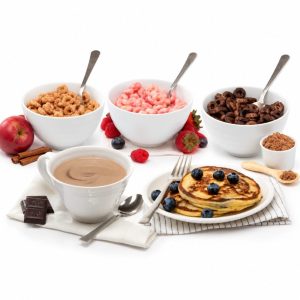
Protein Breakfast Bundle
Original price was: $102.45.$87.08Current price is: $87.08. Add to cart -
★ Best SellerSale!
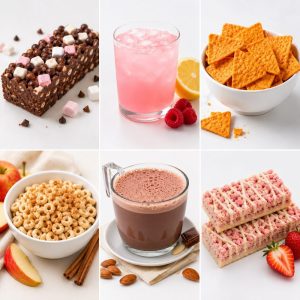
Best Sellers Bundle
Original price was: $105.94.$90.04Current price is: $90.04. Add to cart -
Sale!

Healthy Snack Bundle
Original price was: $126.43.$107.46Current price is: $107.46. Add to cart -
★ Best Seller✓ GLP-1Sale!
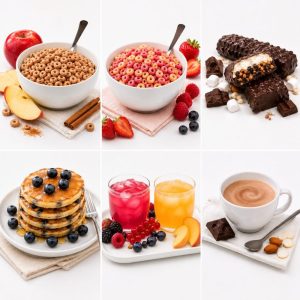
GLP-1 Nutrition Kit
Original price was: $122.94.$104.49Current price is: $104.49. Add to cart
Protein and Exercise: A Winning Combination
Resistance training (weight training) combined with adequate protein intake is the best strategy for losing fat while preserving — or even building — muscle mass. This combination also improves your basal metabolism, making it easier to maintain your weight long-term.
Frequently Asked Questions — Protein and Weight Loss
How many grams of protein per day to lose weight?
For weight loss, aim for 1.2 to 1.6 g of protein per kilogram of body weight. For a person weighing 70 kg, that is 84 to 112 g of protein per day. Spread this intake across 3 to 4 portions of 25–35 g per meal to maximize protein utilization.
Are protein powders good for weight loss?
Yes. Protein powders are a practical and effective tool for reaching your protein goals without excess calories. Choose powders with few additives, no added sugars, and at least 20–25 g of protein per serving.
Can you eat too much protein?
For healthy adults, intakes up to 2–2.5 g/kg are generally well tolerated. Very high intakes (above 3 g/kg) over the long term may strain the kidneys in predisposed individuals. Consult your doctor if you have existing kidney issues.
What protein snacks should you choose to lose weight?
The best protein snacks for weight loss are: plain Greek yogurt, cottage cheese, protein bars (under 200 cal, over 15 g protein), hard-boiled eggs, or a small protein shake. Avoid sugary snacks even if they contain protein.
When should you take protein powder to lose weight?
The ideal timing depends on your habits: after exercise for muscle recovery, at breakfast to control hunger all day, or as a snack to avoid cravings. The key is reaching your daily total goal.