Frequently asked questions
Our products
-
Best Sellers (5)
-
Bundles (5)
-
Coaching (3)
-
GLP-1 Compatible (9)
-
Meal replacement (2)
-

Motivation plan (1)
-
On Sale! (1)
-
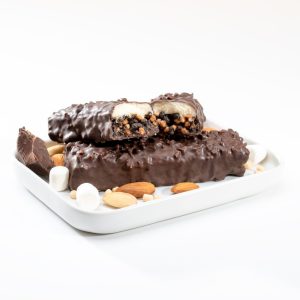
Protein Bars (13)
-
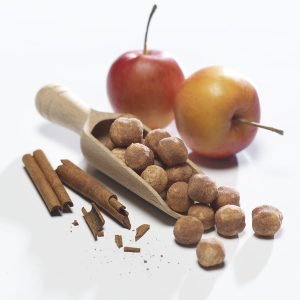
Protein bites (4)
-
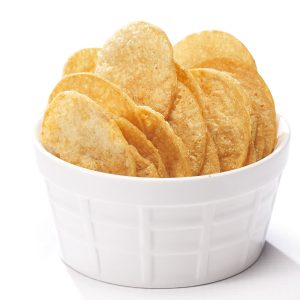
Protein Chips (8)
-
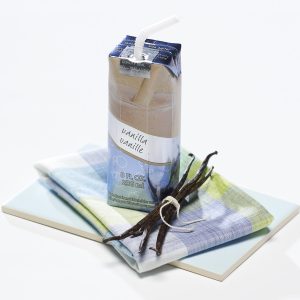
Protein Drinks (11)
-
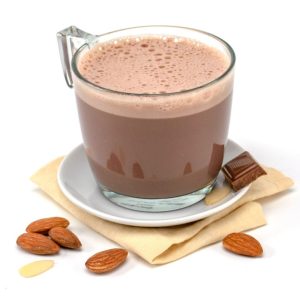
Protein Hot drinks (3)
-

Protein Meals and Soups (8)
-
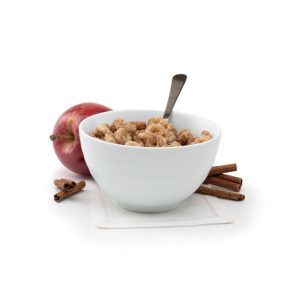
Protein Morning cereals and pancakes (10)
-
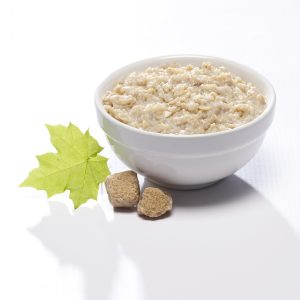
Protein Oatmeal (2)
-

Protein Wafers (5)
-

Salty Snacks (5)
-
Supplements (1)
-
Sweet snacks (5)
Products
1Do You Need to Be Enrolled in at Motivation to Purchase Products?
No
2 Do you have to follow our program to purchase our product?
No
3Do You Need to Want to Lose Weight to Use Our Products?
No
4Do You Have a Promotional Code for My Purchase?
Yes! Code is: Motivation
Get 10% off your order!
5Who Are Your Products For?
Everybody! Weight loss, fitness, weight maintenance and GLP-1!
6Are Your Products Comparable to Ideal Protein Products?
Yes!
7Can I Use Your Products with Another Diet Program?
Yes
8Can I Use Your Products with My Ideal Protein Diet?
Yes
9How Long Does Delivery Take?
2 to 5 days with Purolator all across Canada!
10Can I Follow the Motivation Program While Using GLP-1 Medication?
Yes
11Can I use your protein foods while Using GLP-1 Medication?
Yes! And it’s recommended!
Motivation - The Program
1Why Choose a High-Protein Diet for Weight Loss?
A high-protein diet is one of the most effective ways to lose weight while helping meet your nutritional needs. Easy to follow and highly satisfying, it allows you to enjoy a wide variety of foods while supporting healthy, sustainable weight loss.
When you reduce calories to lose weight, your body naturally uses stored fat for energy. However, without adequate protein, it can also break down muscle tissue.
Protein plays a critical role in maintaining muscle mass, supporting metabolism, preserving strength, and promoting overall health. While the average adult requires approximately 0.8 g of protein per kilogram of body weight, protein needs can increase to 1.2–1.6 g per kilogram during weight loss to help preserve lean muscle mass and support optimal results.
If protein intake is too low, muscle loss may occur, metabolism can slow down, and maintaining weight loss becomes more difficult over time.
A high-protein approach can help:
✓ Preserve lean muscle mass during weight loss
✓ Increase satiety and reduce hunger
✓ Support a healthy metabolism
✓ Maintain energy and strength
✓ Improve long-term weight management
✓ Reduce the risk of weight regain
Many traditional diets fail because they do not provide enough protein to support the body’s needs during weight loss. This can contribute to the well-known “yo-yo effect,” where weight is repeatedly lost and regained, often with a higher proportion of body fat each time.
At Motivation, our programs and premium protein products are designed to help you lose fat while preserving muscle, supporting your health, and achieving long-term success.
2Yo Yo dieting
On the contrary, yo-yo dieting can have positive health effects! The results of a scientific study suggest that the mortality rate of people who make efforts to lose weight — even if they do not maintain the weight loss — is 24% lower compared to those who make no effort to lose weight.
Obesity, much like alcoholism and drug addiction, is often influenced by emotional factors, which may help explain the number of relapses. Every setback can become a learning experience — your past attempts may increase your chances of future success.
3 Protein diets are dangerous?
It is not dangerous if you are supervised by a qualified healthcare professional experienced in this field and if you properly follow the different aspects of your program (recommended portions, water intake, salt intake, etc.).
Being overweight poses a much greater risk to your health.
No deaths have been reported in more than 20 years!
4Are Proteins Good for You?
Absolutely. Protein is essential for healthy weight loss. Without enough protein, dieting can lead to muscle loss, weakness, a slower metabolism, reduced heart muscle strength, and an increased risk of regaining lost weight. During a weight loss program, protein needs may nearly double to help protect muscle mass and support overall health.
Protein also helps increase satiety, keeping you feeling full for at least four hours. Protein supplements do not have miraculous or medicinal properties, and they do not directly cause weight loss. Instead, they help preserve muscle mass, support heart health, maintain skin elasticity, and protect metabolism during weight loss.
Not getting enough protein, however, may negatively impact your health. Protein supplements can be enjoyed as a snack or used as a meal replacement as part of a balanced nutrition plan.
5Can High-Protein Diets Be Harmful to the Kidneys?
No scientific study has demonstrated this.
The program is not considered excessively high in protein, but rather lower in carbohydrates. The amount of protein consumed is generally not excessive compared to a balanced diet. It is referred to as a “protein-based” program because protein is the primary nutrient focus, helping to support muscle mass and satiety during weight loss.
6What are the keys to successful long-term weight maintenance?
After four years, our patients maintain 82% of their weight loss with monthly follow-up support in our clinic.
75% of patients who successfully maintain their weight loss choose to use nutritional supplements as needed.
We observe similar long-term success rates with both low-calorie diets and very-low-calorie diets.
What are the keys to successful long-term weight maintenance?
✓ A behavioral and lifestyle-focused approach
✓ Ongoing monthly follow-up and accountability
Sustainable weight loss is not just about losing weight—it’s about developing the habits, mindset, and support system needed to maintain your results for life.
At Motivation, our coaching programs, nutritional guidance, and high-protein products are designed to help you achieve lasting success and maintain your results long after the weight loss phase is complete.
7 Is it comparable to Ideal protein products?
Yes!
8 I don't wanna be hungry
The less sugar you eat the less hungry you are. Our plan are all designed to be rich in protein and low in carbs.
9There Is No Such Thing as a Physical Weight Loss Plateau
English Translation:
In many cases, small dietary deviations—particularly increased carbohydrate intake—as well as stress can lead to temporary water retention, making it appear as though weight loss has stopped.
Most of the time, the real plateau occurs in the mind rather than in the body. As you begin to lose weight and feel better, motivation can naturally decline, making it easier to drift away from the habits that created your success.
This is where accountability and self-awareness become essential.
Our food journal helps identify small deviations, track progress, and uncover habits that may be slowing your results. By recognizing these patterns early, you can make simple adjustments and continue moving toward your goals.
Breaking Through a Plateau
✓ Track your food intake consistently
✓ Stay focused on your protein goals
✓ Manage stress and prioritize sleep
✓ Maintain healthy daily habits
✓ Seek support and accountability
✓ Focus on long-term progress, not short-term fluctuations
At Motivation, our coaching approach helps you stay motivated, identify obstacles, and maintain momentum so you can achieve lasting success.
10Will I Gain All the Weight Back After a Diet?
Contrary to popular belief, people do not automatically regain twice the weight they lose after dieting. In fact, studies have shown that the likelihood of long-term success often increases with the number of weight-loss attempts, as individuals learn valuable skills and strategies from each experience.
When carbohydrates are reintroduced into the diet, insulin levels naturally rise. This causes the kidneys to retain more water, which can result in a temporary increase in weight. In many cases, this water retention is similar to the amount of weight that was lost rapidly during the first weeks of a weight-loss program.
Additionally, the body’s metabolism typically requires four to six weeks to fully adapt to a new body weight. This is why a structured transition phase is essential for long-term success.
The Real Cause of Weight Regain
One of the biggest reasons people regain weight after a diet is frustration caused by feelings of deprivation and restriction. When a program feels too difficult or unsustainable, it becomes much harder to maintain healthy habits over time.
That’s why successful weight management is about more than just nutrition—it also requires motivation, support, and sustainable lifestyle changes.
At Motivation, we provide the tools, coaching, and behavioral strategies needed to help you overcome these challenges, maintain motivation, and achieve lasting results.
12Will Weight Loss Cause More Wrinkles?
It is true that losing weight may make certain facial expression lines more noticeable. However, most people also appear healthier, more vibrant, and often younger after reaching a healthier weight.
Maintaining adequate protein intake during weight loss is important because protein helps support muscle mass and contributes to skin health and elasticity.
In most cases, the skin gradually adapts to the body’s new shape over time. Within two to three months after weight loss, the skin often settles naturally, and facial features may appear softer and less drawn.
Support Healthy Weight Loss and Skin Health
✓ Consume adequate protein daily
✓ Stay well hydrated
✓ Follow a balanced nutrition plan
✓ Aim for steady, sustainable weight loss
✓ Maintain muscle mass through proper nutrition and activity
At Motivation, our high-protein nutrition programs are designed to help you lose weight while supporting muscle preservation, skin health, and overall well-being throughout your journey.
Nutriments
1Are protein any good?
Absolutely. Adequate protein intake is essential for healthy weight loss.
Without enough protein, dieting can lead to muscle loss, weakness, a slower metabolism, and reduced overall health. Because the heart is also a muscle, preserving lean body mass is important for maintaining strength and well-being throughout the weight-loss process.
During a weight-loss program, protein requirements may increase significantly—often up to twice normal levels—to help preserve muscle mass and support optimal health.
The Benefits of Protein
Protein helps:
✓ Preserve lean muscle mass
✓ Support a healthy metabolism
✓ Promote satiety and reduce hunger
✓ Maintain strength and energy
✓ Support skin health and elasticity
✓ Contribute to long-term weight management
One of protein’s greatest advantages is its ability to promote fullness, helping many people stay satisfied for several hours between meals.
What About Protein Supplements?
Protein supplements are not miracle products and do not cause weight loss on their own. Their purpose is to help individuals meet their daily protein requirements when it is difficult to do so through food alone.
They can help support:
✓ Muscle maintenance
✓ Heart health
✓ Skin health
✓ Metabolic function
✓ Recovery and overall wellness
Failing to consume enough protein during weight loss can increase the risk of muscle loss and make it more difficult to maintain long-term results.
Protein supplements can be used as a convenient snack or as a meal replacement within a balanced nutrition program. At Motivation, we offer a wide selection of high-quality protein products designed to help you achieve your goals while supporting your overall health.
2What Are Protein Supplements Made Of?
Protein supplements are typically made from milk proteins and/or soy proteins that have been processed to remove much of their naturally occurring sugars and fats.
This process creates a concentrated source of high-quality protein that is convenient, easy to consume, and designed to help individuals meet their daily protein requirements.
Why Use Protein Supplements?
Protein supplements can help:
✓ Increase daily protein intake
✓ Support muscle maintenance during weight loss
✓ Promote satiety and reduce hunger
✓ Support a healthy metabolism
✓ Provide a convenient meal or snack option
✓ Help meet nutritional needs when appetite is reduced
For individuals following a weight-loss program or taking GLP-1 medications, protein supplements can be an effective way to maintain adequate protein intake when eating enough protein-rich foods becomes challenging.
At Motivation, we offer a variety of premium protein products formulated to support healthy weight loss, muscle preservation, and long-term success.
3Is Salt Important During a Weight Loss Program?
Yes. Sodium is an essential mineral that plays an important role in hydration, nerve function, muscle contractions, and maintaining proper fluid balance in the body.
During certain weight-loss programs—particularly those that reduce carbohydrate intake—your body may lose more water and sodium than usual. As a result, maintaining adequate sodium intake can help support overall well-being.
Too little sodium may contribute to symptoms such as:
✓ Fatigue
✓ Low energy levels
✓ Headaches
✓ Dizziness
✓ Muscle cramps
These symptoms are often mistakenly attributed to a lack of sugar or food when they may actually be related to insufficient sodium intake.
Does Salt Cause Weight Gain?
No. Salt itself does not cause fat gain.
However, consuming more sodium can temporarily increase water retention, which may result in a short-term increase on the scale. This is not body fat and should not be confused with true weight gain.
The key is maintaining a balanced intake that supports your body’s needs while following a healthy nutrition plan.
At Motivation, we help our clients understand the role of protein, hydration, and essential nutrients to ensure safe, healthy, and sustainable weight loss.
4What Is Basal Metabolic Rate (BMR)?
Basal Metabolic Rate (BMR) represents the number of calories your body requires to maintain its essential functions while at complete rest. These functions include breathing, circulation, body temperature regulation, and cellular activity.
BMR is largely determined by a person’s lean body mass, including muscle and bone tissue.
Why Is BMR Important?
The more lean muscle mass you have, the more calories your body burns—even while resting.
Factors that influence BMR include:
✓ Muscle mass
✓ Body size and composition
✓ Age
✓ Sex
✓ Genetics
✓ Overall health
Because muscle tissue is metabolically active, preserving muscle mass during weight loss is essential for maintaining a healthy metabolism.
Supporting a Healthy Metabolism
To help maintain your metabolic rate during weight loss:
✓ Consume adequate protein
✓ Preserve lean muscle mass
✓ Stay physically active
✓ Follow a balanced nutrition plan
✓ Avoid overly restrictive diets
At Motivation, our high-protein nutrition programs are designed to help protect muscle mass, support metabolism, and promote healthy, sustainable weight loss.
5Does Drinking Water Help You Lose Weight?
Water is one of the most important tools for overall health and can play a valuable role in a successful weight-loss program.
While water does not directly burn fat or cause weight loss on its own, it can support your efforts in several ways.
Benefits of Staying Hydrated
✓ Helps control hunger and reduce unnecessary snacking
✓ Supports healthy digestion
✓ Helps maintain energy levels
✓ Promotes optimal metabolic function
✓ Supports exercise performance and recovery
✓ Helps the body eliminate waste products
✓ May reduce water retention caused by dehydration
Many people mistake thirst for hunger, leading them to eat when their body is actually asking for fluids. Drinking water regularly throughout the day can help improve appetite control and support healthy eating habits.
Water and Weight Loss
When starting a weight-loss program, especially a high-protein or GLP-1-supported plan, adequate hydration becomes even more important. Proper fluid intake helps the body adapt to dietary changes and may help reduce common side effects such as constipation and fatigue.
It’s also important to remember that fluctuations on the scale are often related to changes in water balance rather than changes in body fat.
How Much Water Should You Drink?
Individual needs vary based on body size, activity level, climate, and diet. A common recommendation is to drink enough water so that your urine remains pale yellow throughout the day.
The Bottom Line
Water is not a magic weight-loss solution, but it is an essential part of a healthy lifestyle. Combined with adequate protein intake, balanced nutrition, physical activity, and ongoing support, proper hydration can help you feel better, manage hunger, and achieve long-term weight-loss success.
At Motivation, we encourage healthy hydration habits as part of a complete approach to sustainable weight management.
6Are “Sugar-Free” and “Light” Foods Always Better for Weight Loss?
Not necessarily.
Many foods marketed as “light,” “reduced sugar,” or “sugar-free” may contain added sweeteners such as sucrose, fructose, sorbitol, xylitol, mannitol, or other sugar substitutes. While these ingredients can reduce the amount of traditional sugar in a product, they do not automatically make it healthier or lower in calories.
It’s also important to understand that “sugar-free” does not mean carbohydrate-free.
For example, truly sugar-free bread does not exist. Even if no sugar is added during production, the carbohydrates found in flour are broken down into glucose during digestion. A more accurate term is often “no added sugar.”
What Should You Look At?
Rather than focusing only on marketing claims on the front of the package, always review the Nutrition Facts panel and ingredient list.
Pay attention to:
✓ Total calories
✓ Protein content
✓ Total carbohydrates
✓ Added sugars
✓ Fiber content
✓ Serving size
✓ Overall nutritional value
The Bottom Line
A product labeled “light” or “sugar-free” is not automatically a better choice for weight loss. The best approach is to evaluate the complete nutritional profile and choose foods that support your goals, provide adequate protein, and fit within a balanced eating plan.
At Motivation, we help our clients learn how to read food labels and make informed choices that support long-term weight management and overall health.
7Are Frozen Yogurt and Ice Milk Lower in Calories Than Ice Cream?
Not always.
Many people assume that ice milk or frozen yogurt contains significantly fewer calories than traditional ice cream. However, when fat is removed from a product, it is often replaced with additional sugars or other ingredients to maintain flavor and texture.
As a result, some reduced-fat frozen desserts may contain a similar number of calories as regular ice cream.
What About Milk and Dairy Products?
Milk naturally contains lactose, a naturally occurring sugar that provides energy and contributes calories.
While dairy products offer valuable nutrients such as calcium, vitamin D, and protein, they also contain carbohydrates that should be considered as part of a balanced nutrition plan.
Dairy Products and Weight Loss
Depending on the calorie level and structure of a weight-loss program, dairy portions may need to be monitored because of their carbohydrate and calorie content.
The key is not necessarily to avoid dairy products, but to choose options that fit your nutritional goals and daily calorie targets.
Protein Supplements as a Nutritional Alternative
High-quality protein supplements can be a convenient way to increase protein intake while providing important nutrients, including calcium.
Benefits may include:
✓ High protein content
✓ Support for muscle maintenance
✓ Increased satiety
✓ Convenient meal or snack option
✓ Calcium and other essential nutrients
The Bottom Line
Don’t assume that “low-fat” or “light” frozen desserts are automatically lower in calories. Always check the Nutrition Facts label and compare calories, protein, carbohydrates, and serving sizes.
At Motivation, we help you make informed food choices that support healthy weight loss while ensuring you receive the nutrients your body needs to succeed.