Ozempic vs High-Protein Low-Carb Diet | Which Is Better for Weight Loss?
Ozempic vs. a High-Protein, Low-Carb Diet: Which Is Better for Weight Loss?
In the world of weight loss, few topics generate as much attention as Ozempic (semaglutide) and the high-protein, low-carb diet.
Both approaches can support significant weight loss, but each comes with unique advantages and challenges.
While one may offer faster short-term results, the other may provide a stronger foundation for long-term health and weight management.
And in many cases, combining both approaches may be the most effective strategy.
Let’s compare them.
Ozempic: The Basics
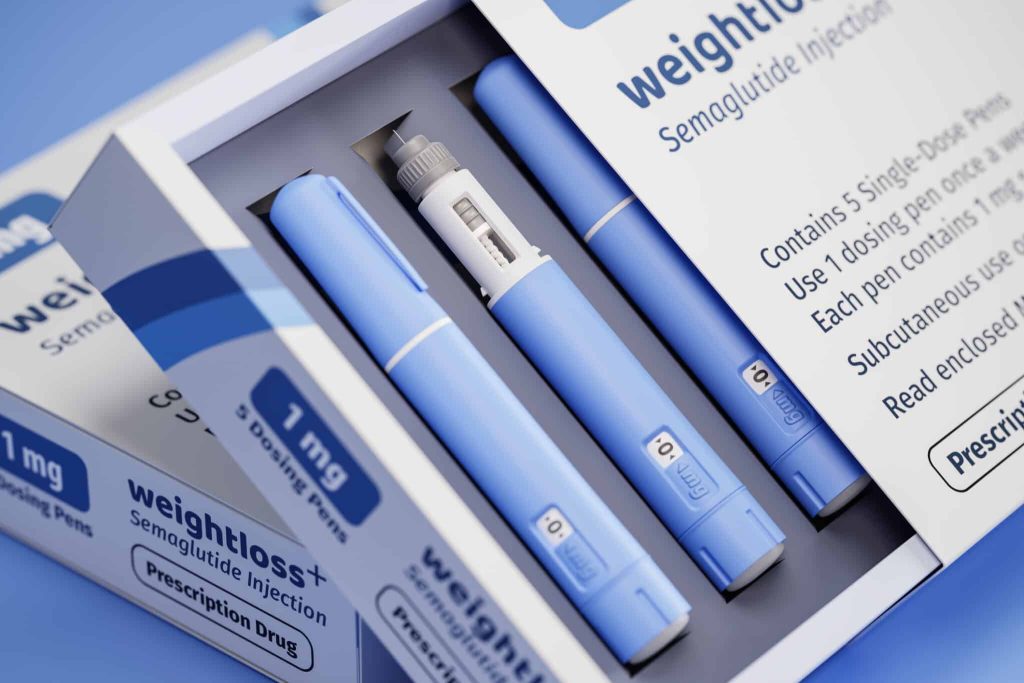
Ozempic is a GLP-1 receptor agonist originally developed to help manage type 2 diabetes.
It works by mimicking a hormone that helps regulate blood sugar and appetite.
As a result, many users experience:
- Reduced hunger
- Smaller portion sizes
- Fewer food cravings
- Improved blood sugar control
These effects often make it easier to create the calorie deficit required for weight loss.
High-Protein, Low-Carb Diet: The Basics
A high-protein, low-carb diet focuses on nutrient-dense foods while reducing refined carbohydrates and sugars.
This approach emphasizes:
- Lean meats
- Fish and seafood
- Eggs
- Dairy products
- Legumes and plant proteins
- Low-carb vegetables
The higher protein intake helps increase satiety, reduce cravings, preserve muscle mass, and support healthy metabolism.
For many people, it becomes a sustainable lifestyle rather than a temporary diet.
Comparing Ozempic and a High-Protein, Low-Carb Diet
1. Appetite and Craving Control
Ozempic:
Ozempic can significantly reduce appetite by acting directly on hormonal pathways that regulate hunger.
Many users naturally eat less without feeling deprived.
High-Protein, Low-Carb Diet:
Protein is naturally filling and helps reduce hunger while supporting stable blood sugar levels.
Protein-rich meals often keep people satisfied longer than carbohydrate-heavy meals.
Winner: The high-protein, low-carb approach provides a natural and sustainable way to control hunger without relying entirely on medication.
2. Impact on Metabolic Health
Ozempic:
Ozempic helps improve blood sugar regulation but does not directly address muscle preservation or body composition.
When treatment stops, appetite often returns and weight regain can occur.
High-Protein, Low-Carb Diet:
This approach supports:
- Blood sugar stability
- Muscle maintenance
- Fat loss
- Improved body composition
Protein helps preserve lean muscle mass, which is essential for maintaining a healthy metabolism.
Winner: High-protein nutrition provides broader metabolic benefits and stronger long-term support.
3. Sustainability and Long-Term Health
Ozempic:
Although effective, Ozempic may be expensive and is not always covered by insurance for weight loss.
Some users experience side effects such as:
- Nausea
- Digestive discomfort
- Fatigue
- Constipation
Long-term reliance on medication may not be ideal for everyone.
High-Protein, Low-Carb Diet:
This strategy is generally sustainable, cost-effective, and associated with multiple health benefits, including improved metabolic health and better weight maintenance.
Winner: The high-protein, low-carb diet is often the stronger long-term lifestyle solution.
4. Weight Loss Results
Ozempic:
Clinical studies show many users lose between 5% and 15% of their body weight while taking Ozempic.
However, maintaining those results after stopping treatment can be challenging.
High-Protein, Low-Carb Diet:
Consistent adherence can also produce substantial weight loss while supporting muscle preservation and healthier body composition.
Winner: Both approaches can produce excellent results, but a protein-focused diet may provide more sustainable outcomes.
Why Combining Ozempic with a High-Protein, Low-Carb Diet May Be the Best Strategy
For many individuals, combining GLP-1 treatment with proper nutrition creates the strongest opportunity for success.
1. Greater Satiety and Muscle Preservation
Protein helps maintain lean muscle mass while Ozempic helps reduce appetite.
Together, they support healthier fat loss and better body composition.
2. Better Blood Sugar Stability
Ozempic improves glucose regulation, while reducing refined carbohydrates further supports stable blood sugar levels.
This combination can be especially helpful for people with insulin resistance or prediabetes.
3. Support for Long-Term Lifestyle Changes
While Ozempic may help initiate weight loss, a high-protein, low-carb eating plan teaches sustainable habits that can remain in place for years.
This helps create a foundation for lasting success.
4. Reduced Risk of Weight Regain
One of the biggest concerns with GLP-1 medications is weight regain after treatment ends.
Strong nutrition habits make it easier to maintain results even after medication is reduced or discontinued.
Practical Tips for Combining Ozempic with a High-Protein, Low-Carb Diet
- Prioritize lean proteins such as chicken, fish, eggs, Greek yogurt, cottage cheese, and legumes.
- Reduce refined carbohydrates such as white bread, sugary snacks, pastries, and soft drinks.
- Stay hydrated by drinking plenty of water throughout the day.
- Include healthy fats from foods such as avocados, olive oil, nuts, and seeds.
- Work with a healthcare professional to monitor progress and ensure nutritional needs are being met.
Conclusion: Finding the Right Approach for You
Ozempic can be a valuable weight loss tool for certain individuals.
However, a high-protein, low-carb nutrition plan often provides a stronger long-term foundation for health, body composition, and sustainable weight management.
When combined, these two approaches can complement one another exceptionally well.
Ozempic may help accelerate the initial weight loss process, while a protein-focused lifestyle helps build the habits necessary for lasting success.
The best approach is the one that supports both your immediate goals and your long-term health.