Beginner’s Guide to a Low-Carb, High-Protein Diet Using Protein Supplements
Adopting a low-carb, high-protein diet can transform your health, support weight management, and help maintain lean muscle mass.
Adding protein supplements to your routine can make the transition easier, more convenient, and more effective.
Here’s a complete beginner’s guide to help you get started.
Understanding a Low-Carb, High-Protein Diet
A low-carb, high-protein diet focuses on reducing carbohydrate intake (sugars and starches) while increasing protein consumption.
This approach may help support:
- Fat loss
- Muscle maintenance and growth
- Better appetite control
- Improved metabolic health
- Steadier energy levels
Protein supplements can play an important role by helping you meet your daily protein needs in a simple and practical way.
The Benefits of a Low-Carb, High-Protein Diet
1. Faster Weight Loss
Reducing carbohydrates encourages the body to use stored fat for energy.
This can support more effective and sustainable weight loss while helping reduce cravings.
2. Muscle Gain and Maintenance
Protein is essential for muscle repair and growth.
This makes a high-protein diet especially valuable for preserving lean muscle during weight loss or supporting body recomposition.
3. Better Blood Sugar Control
Reducing carbohydrates may help stabilize blood sugar levels, which can be particularly helpful for people managing insulin resistance or looking to avoid energy crashes.
4. Reduced Hunger and Cravings
Protein and healthy fats tend to be more satisfying than highly processed carbohydrates.
This means you may feel fuller for longer and experience fewer cravings throughout the day.
How to Incorporate Protein Supplements
Protein supplements are a convenient way to help meet your protein goals — especially if you have a busy schedule or want additional support after exercise.
Types of Protein Supplements
Whey Protein
Fast-digesting and rich in essential amino acids, making it ideal for post-workout recovery and muscle support.
Casein Protein
Slow-digesting and ideal for sustained protein release, especially before bedtime.
Plant-Based Proteins
Options such as pea, hemp, or soy protein are great alternatives for those following a plant-based lifestyle.
Protein Bars
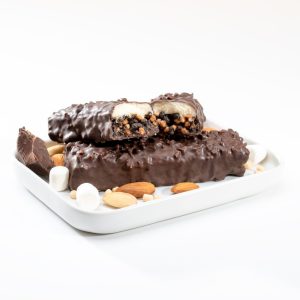
Portable and convenient, perfect for healthy snacking or busy days.
Protein Powders
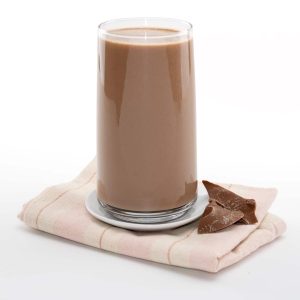
Versatile and easy to add to smoothies, shakes, yogurt, oatmeal, or recipes.
How to Start Your Low-Carb, High-Protein Diet
Plan Your Meals
Focus on meals that are naturally rich in protein and lower in carbohydrates.
Include foods such as:
- Lean meats
- Fish and seafood
- Eggs
- Dairy products
- High-quality protein supplements
Choose Quality Protein Supplements
Select products that match your preferences and nutritional needs.
Look for supplements with:
- High protein content per serving
- Minimal added sugars
- Fewer artificial ingredients
Add Low-Carb Vegetables
Choose vegetables rich in nutrients and fiber, such as:
- Spinach
- Broccoli
- Cauliflower
- Zucchini
These foods help support digestion, fullness, and overall nutrition.
Avoid Refined Carbohydrates
Reduce or eliminate foods like:
- White bread
- Pasta
- Sugary snacks
- Soft drinks
This helps improve energy stability and appetite control.
Sample One-Day Meal Plan
Breakfast
A smoothie made with whey protein, unsweetened almond milk, spinach, and a handful of berries.
Snack
A protein bar or a casein shake mixed with water.
Lunch
Grilled chicken breast with a large green salad, cucumbers, tomatoes, and olive oil with lemon dressing.
Snack
Plain Greek yogurt mixed with a scoop of plant-based protein powder.
Dinner
Baked salmon with steamed broccoli and cauliflower rice.
Evening Snack
Cottage cheese mixed with casein protein powder for overnight muscle support.
Tips for Success
Stay Hydrated
Drink plenty of water throughout the day to support digestion, hydration, and energy.
Watch Portion Sizes
Even healthy foods can add up.
Pay attention to portions to avoid consuming excess calories.
Be Consistent
Consistency matters more than perfection.
Stick to your meal structure and use protein supplements when needed to help reach your goals.
Listen to Your Body
Everyone responds differently.
Pay attention to how you feel and adjust your plan to fit your personal needs and lifestyle.
Conclusion
A low-carb, high-protein diet combined with quality protein products can offer many health benefits — from weight loss and muscle support to improved metabolism and appetite control.
With thoughtful planning and the right supplements, you can achieve your nutrition goals more effectively and sustainably.
Start your journey today and discover the transformative benefits of smarter nutrition.